BIG Things

Every tucked-away corner of the planet is changing, some quicker than others, but all in some way or another.  There are some big changes that many of us hear about; issues like deforestation, climate change, and the urbanization of countryside.  These are all threats, but the biggest, and often unspoken, threat is the gradual homogenization of the world.  Many of the unique cultures and traditions of the world are disappearing.  Like the small towns from our pasts that have lost that “something special”, that uniqueness, that quaintness, the same is true worldwide.

Commercialization and the global economy are affecting even the smallest communities, communities that were once remote.  So why bring more people to these locations?  Because we believe that although some change is inevitable, by raising awareness of the changes taking place, we can play a role in helping to stave off overdevelopment.  There are hundreds of instances where travel has actually played a key role in protecting areas by showing local communities that what they have is valuable and worth preserving.

Endangered Scale

Low

High

Wildlife

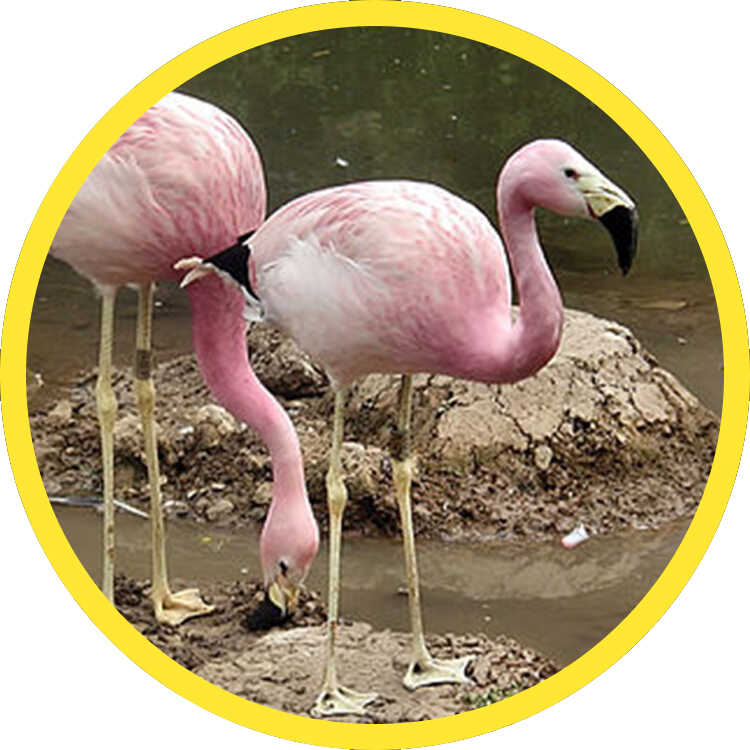
Andean Flamingo

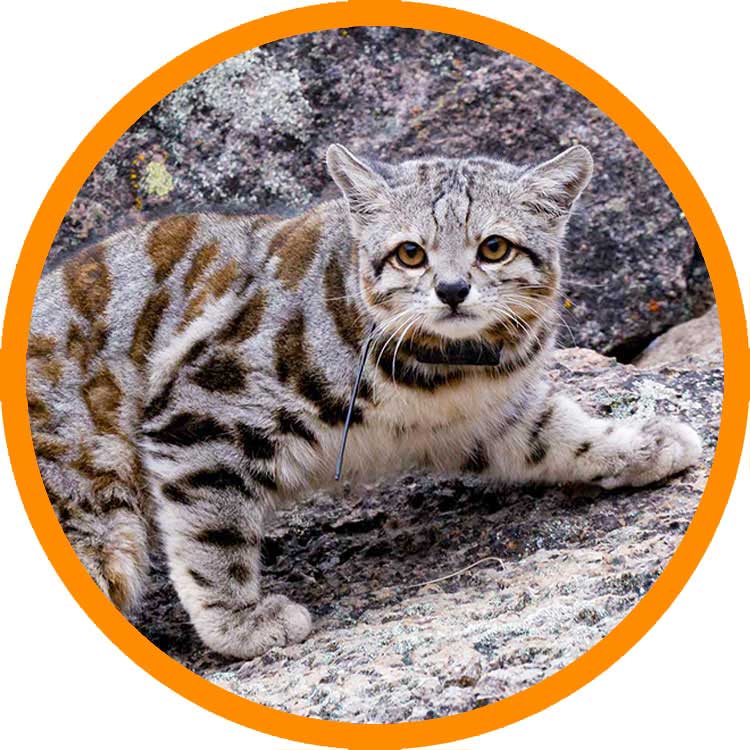
Andean Mountain Cat

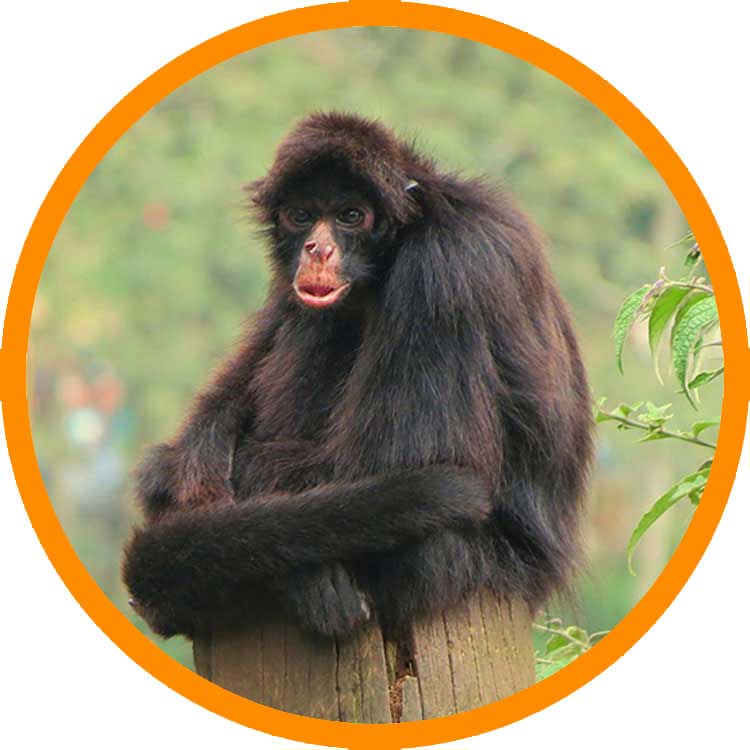
Black faced Black Spider Monkey

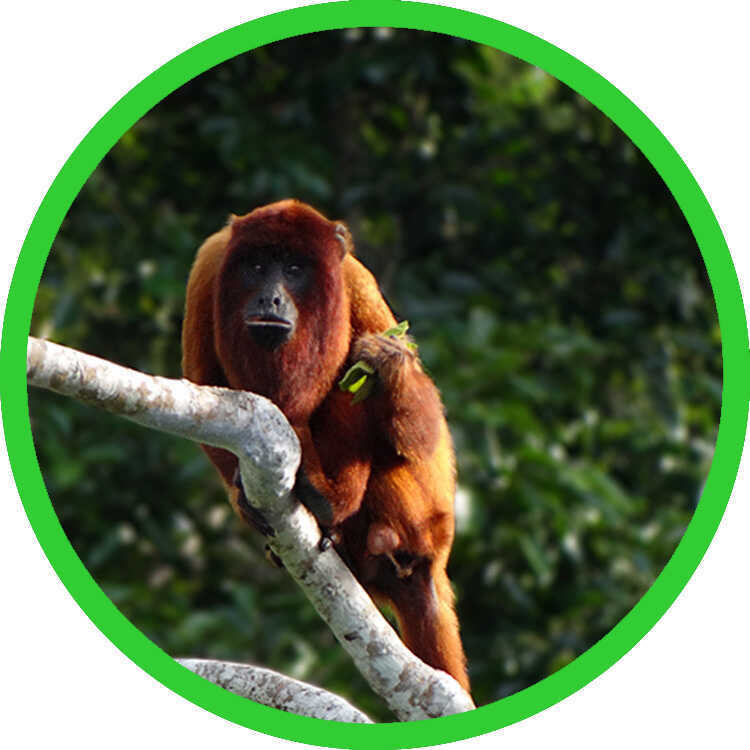
Bolivian Red Howler

Brown throated Three toed Sloth

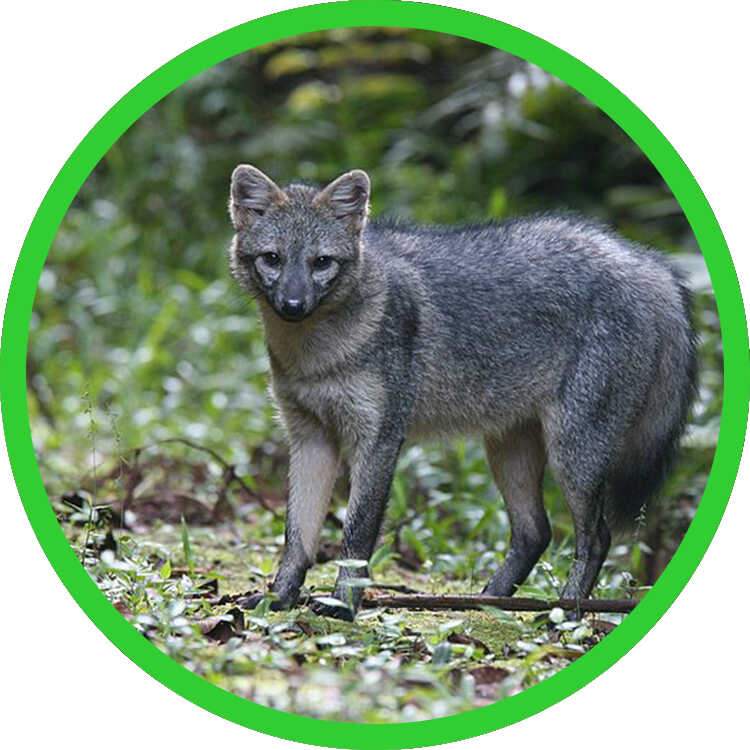
Bush Dog

Capybara

Chunyi

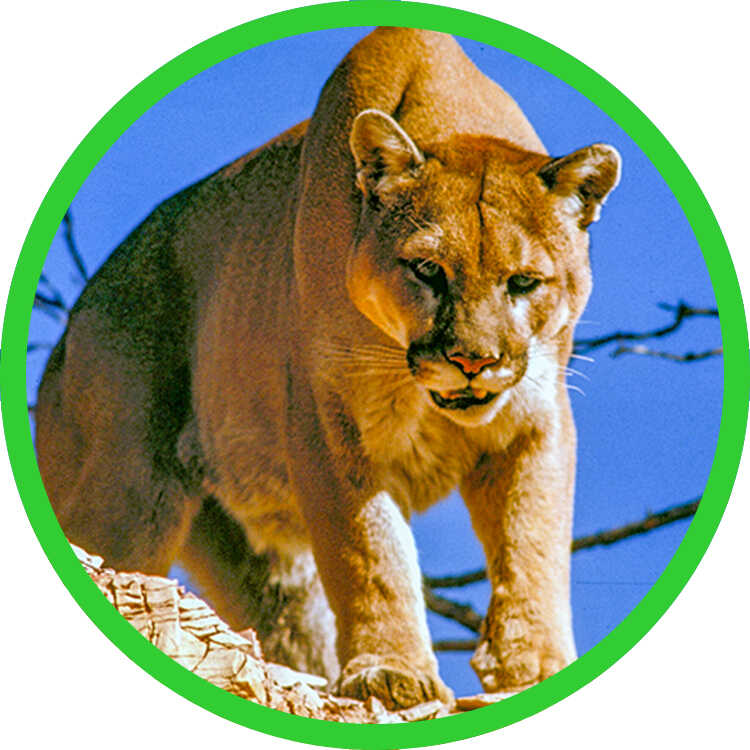
Cougar

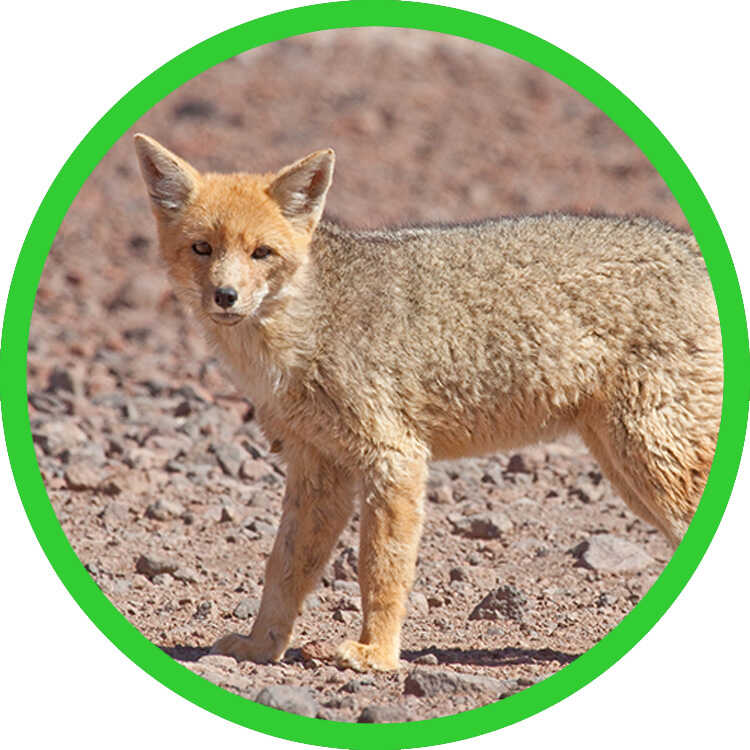
Culpeo

Emperor Tamarin

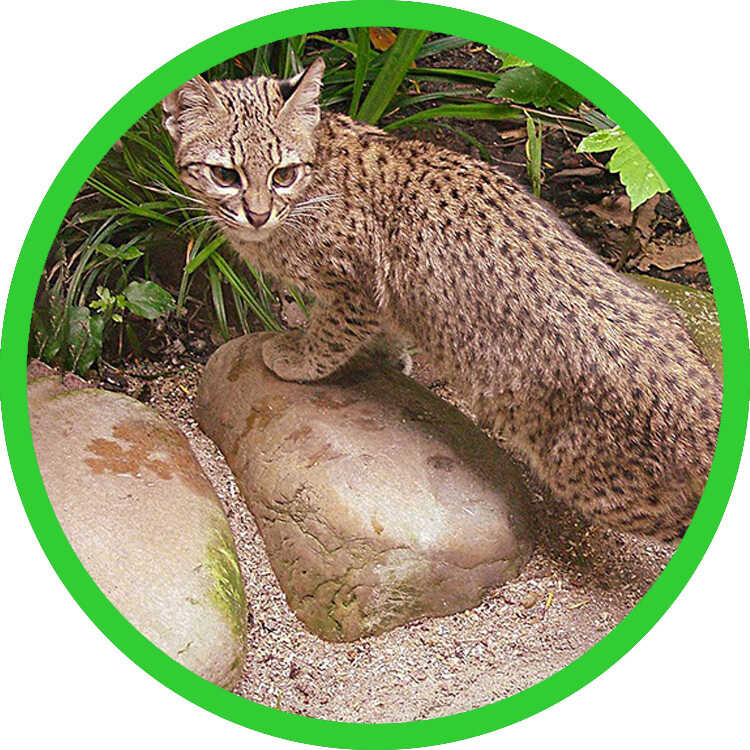
Geoffroys Cat

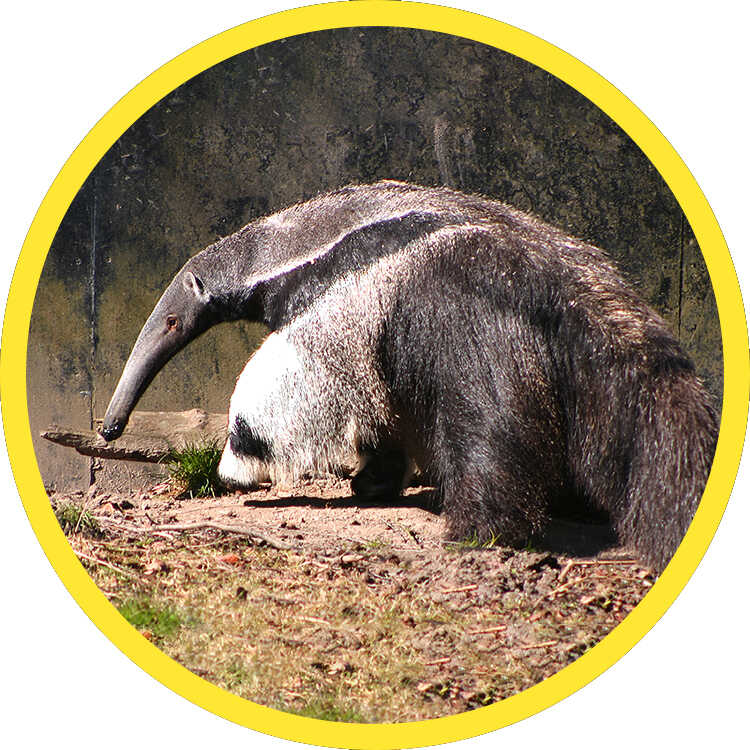
Giant Anteater

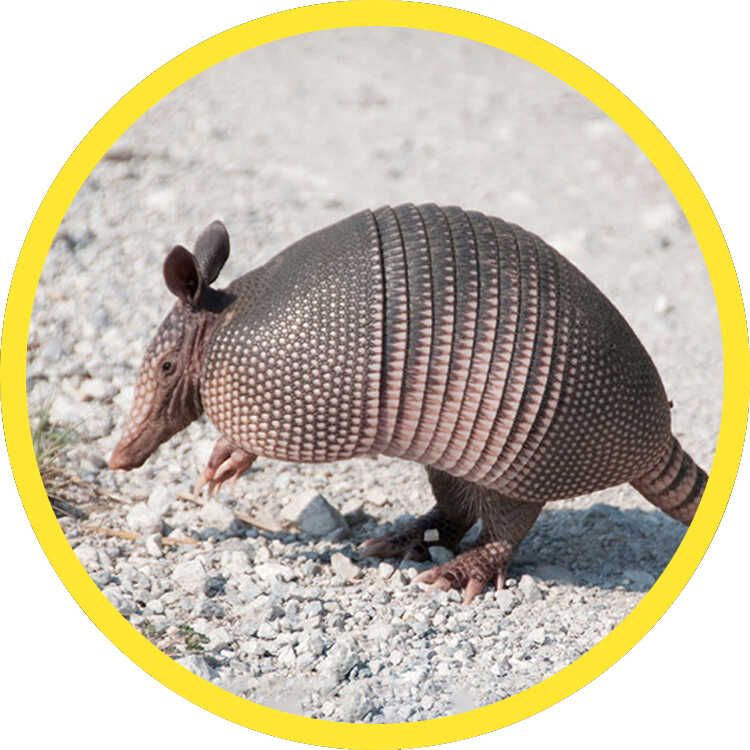
Giant Armadillo

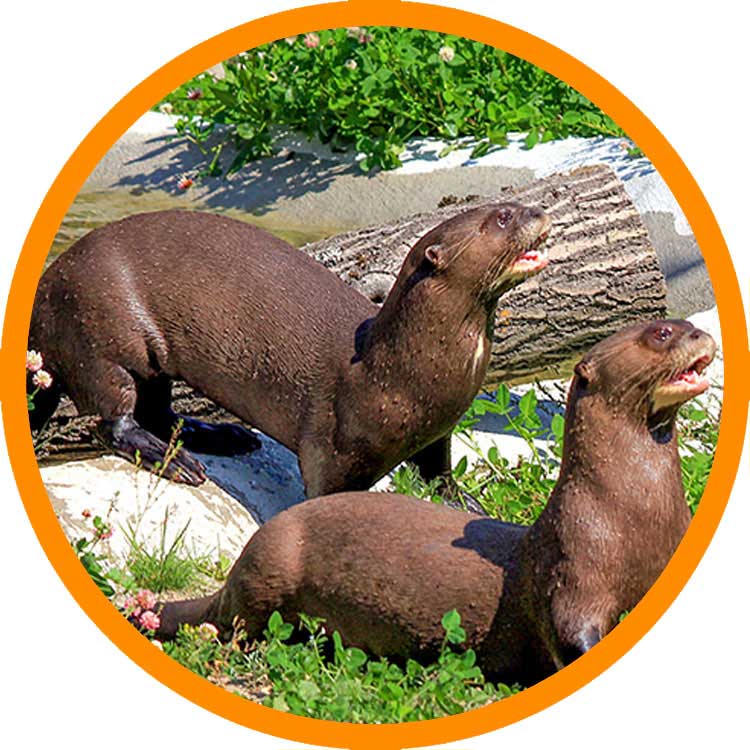
Giant Otter

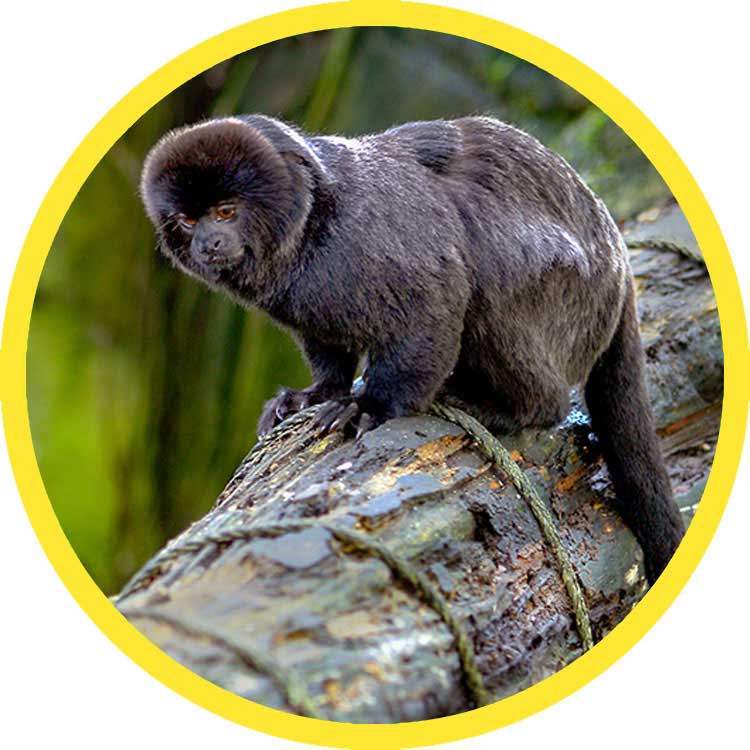
Goeldis Marmoset

Spectacled Caiman

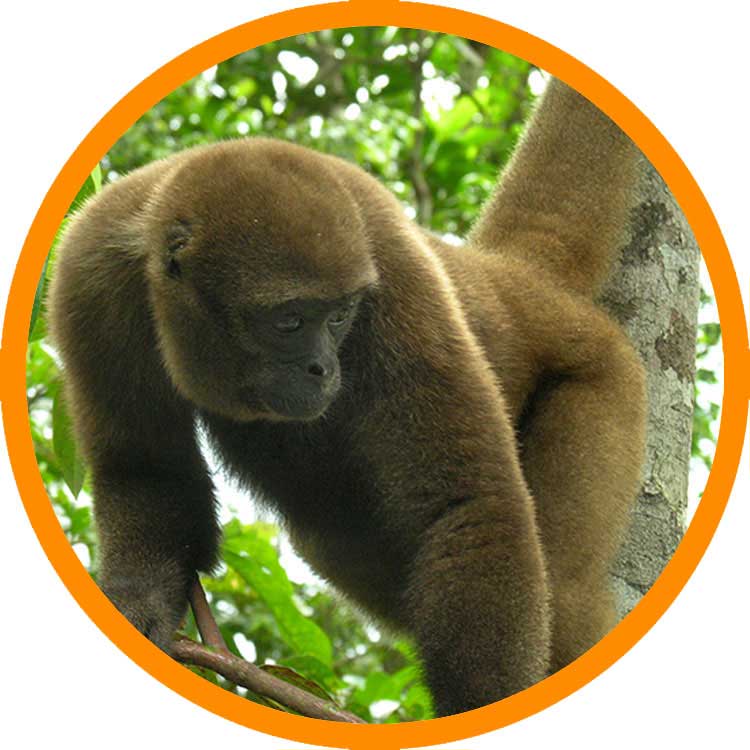
Gray Woolly Monkey

Green Anaconda

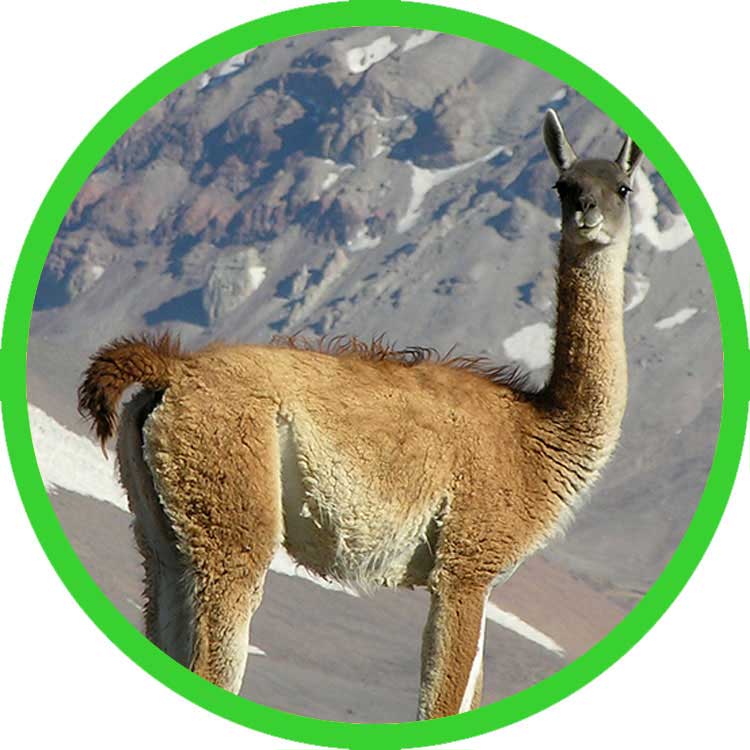
Guanaco

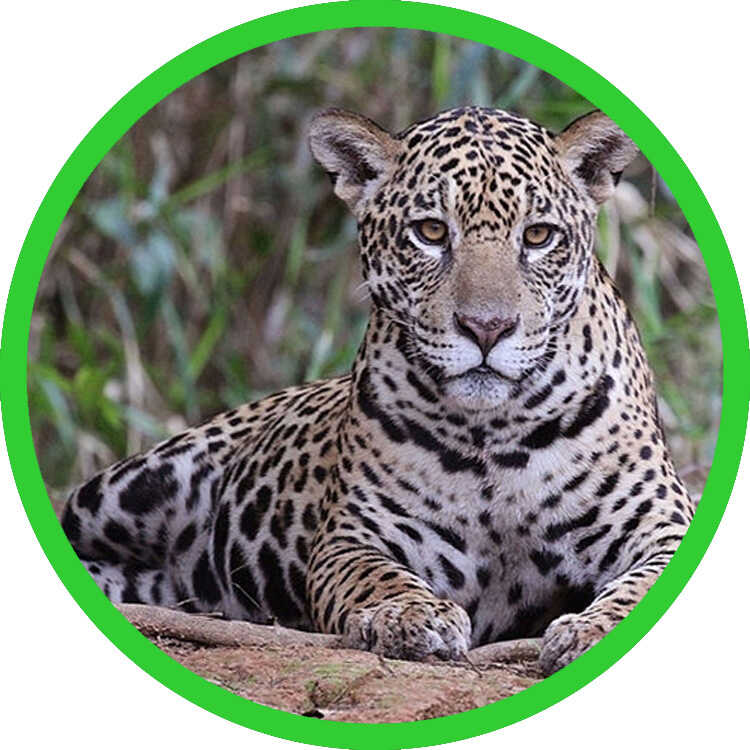
Jaguar

Long tailed Otter

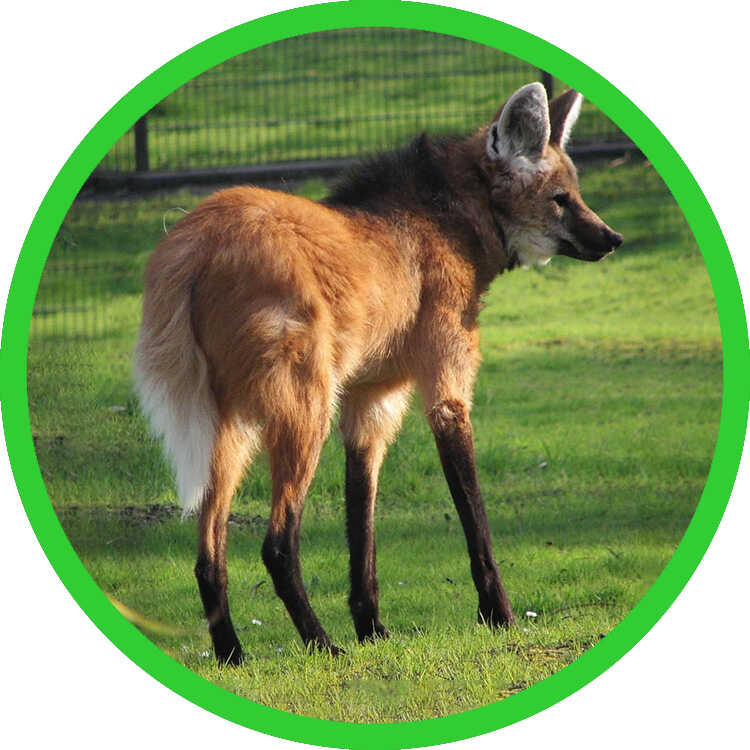
Maned Wolf

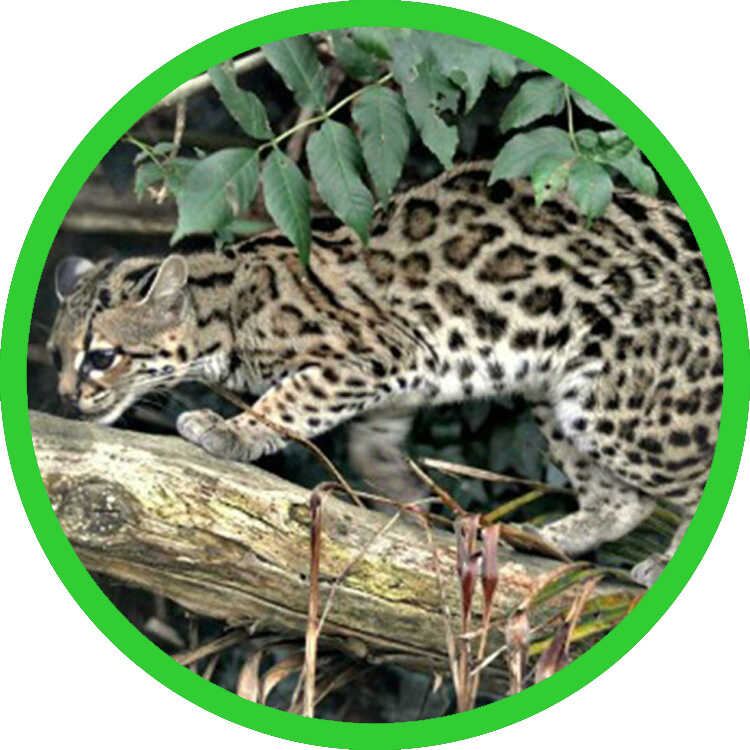
Margay

Mountain Paca

N Andean Huemul

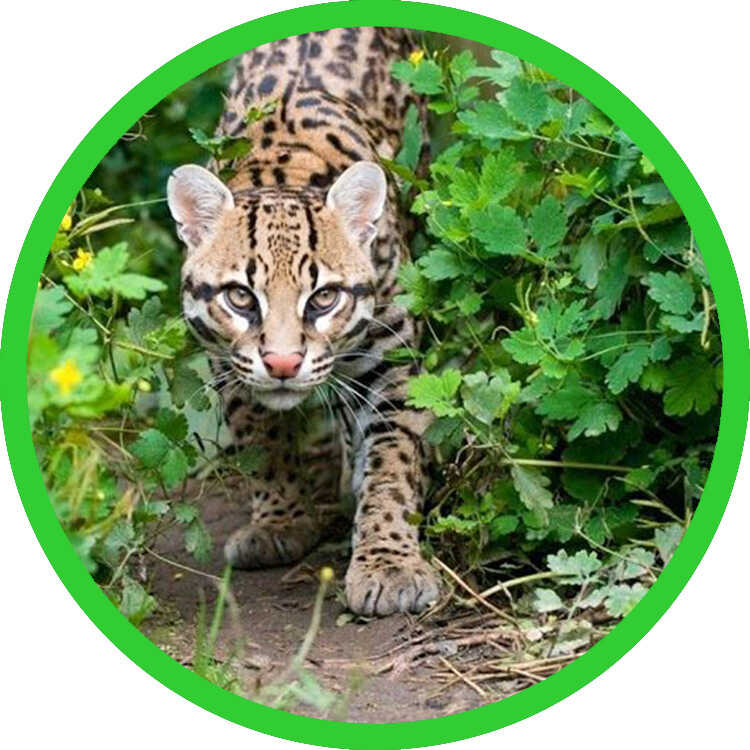
Ocelot

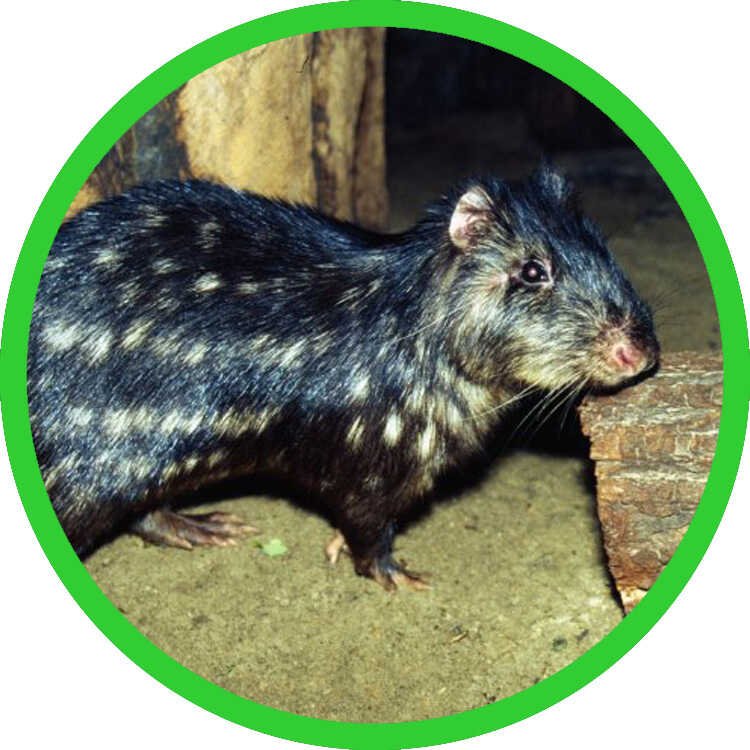
Pacarana

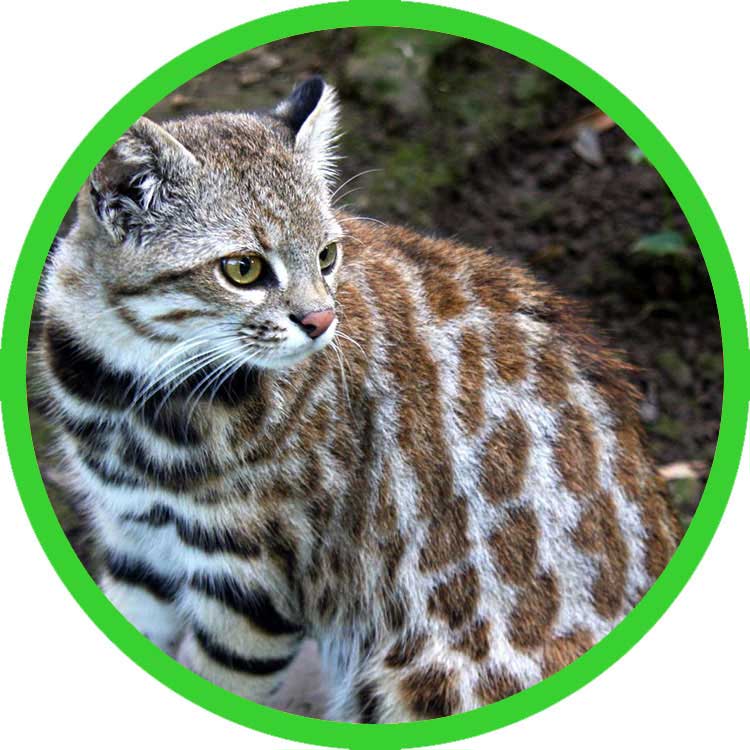
Pampas Cat

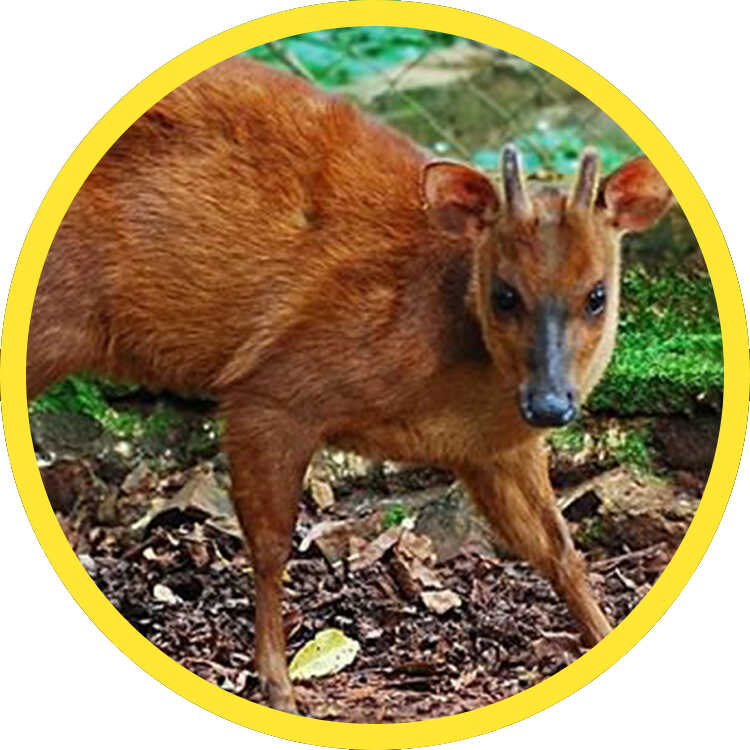
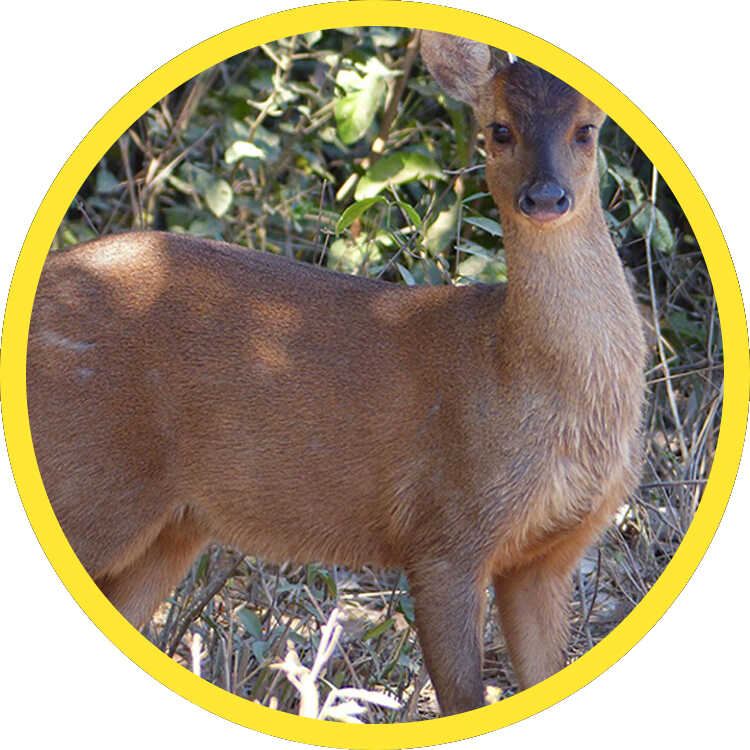
Red Brocket

Red bellied Piranha

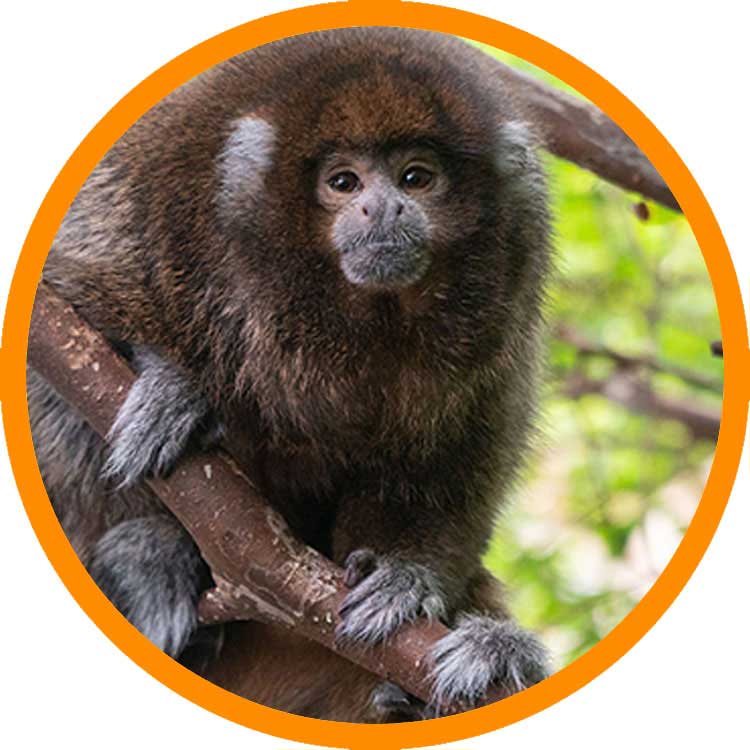
Rio Beni Titi Monkey

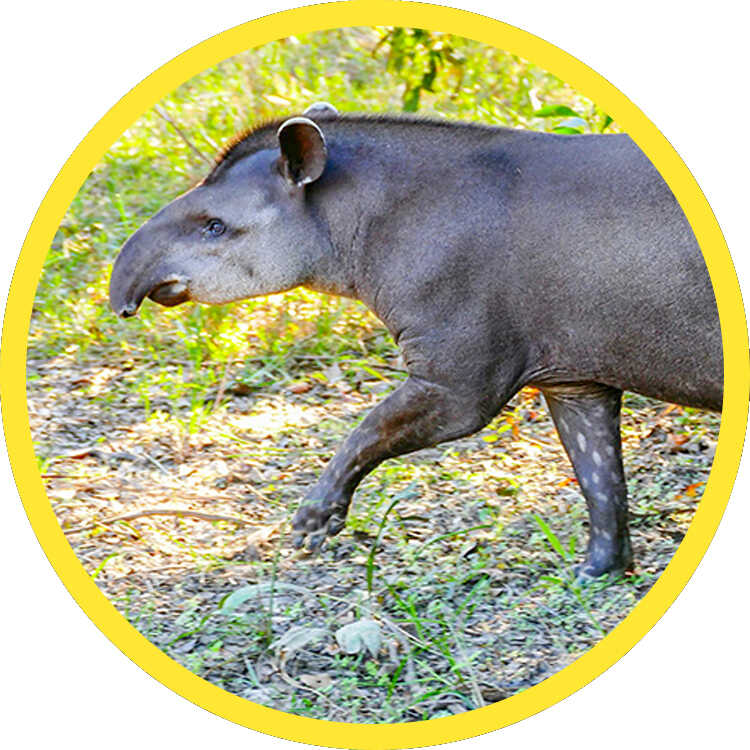
S American Tapir

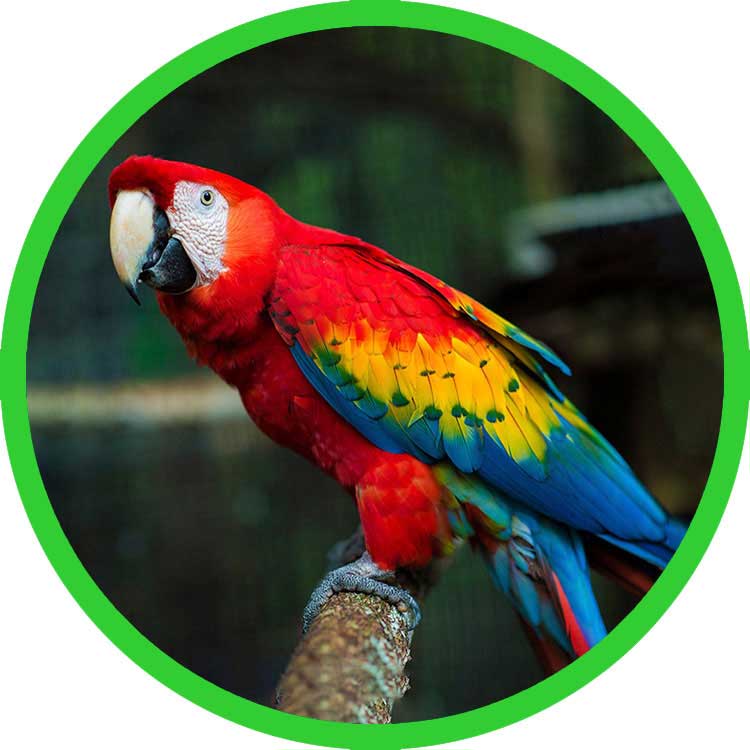
Scarlet Macaw

Short eared Dog

Short-tailed_Chinchilla

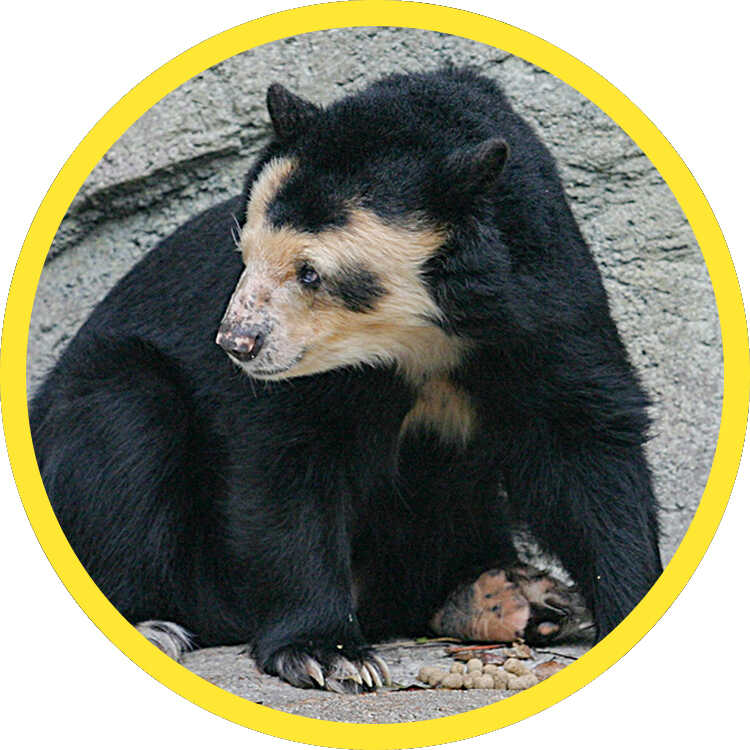
Spectacled Bear

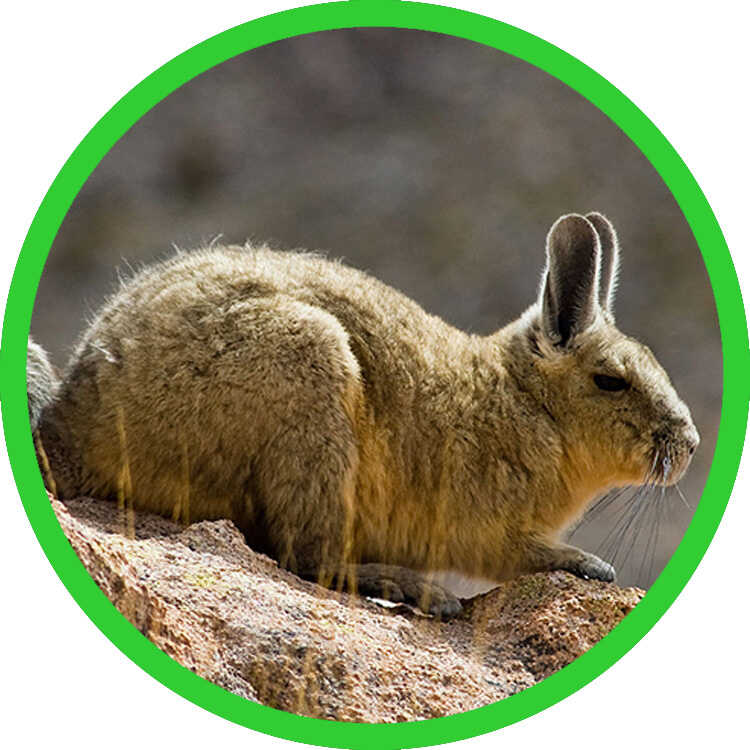
Viscacha

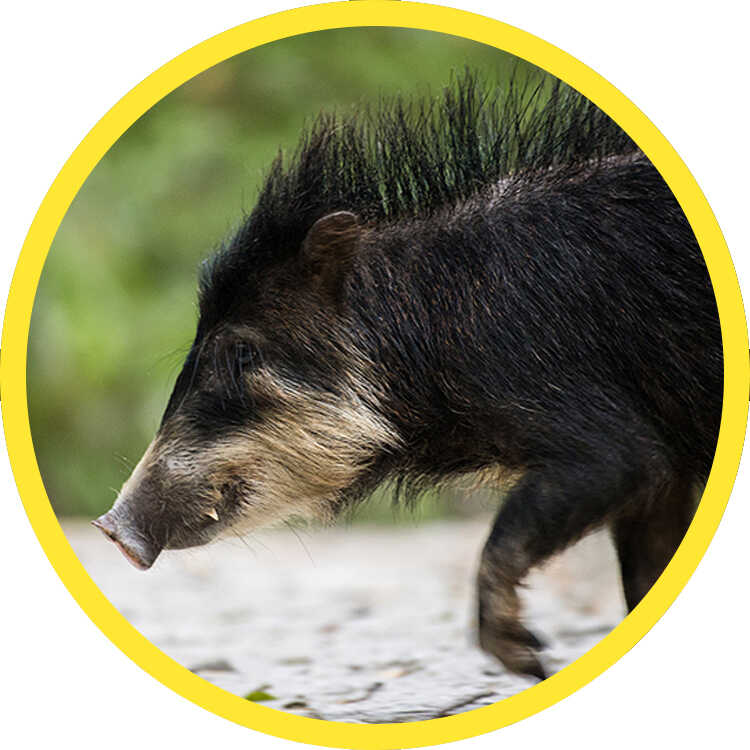
White lipped Peccary

Landscapes and Cultures

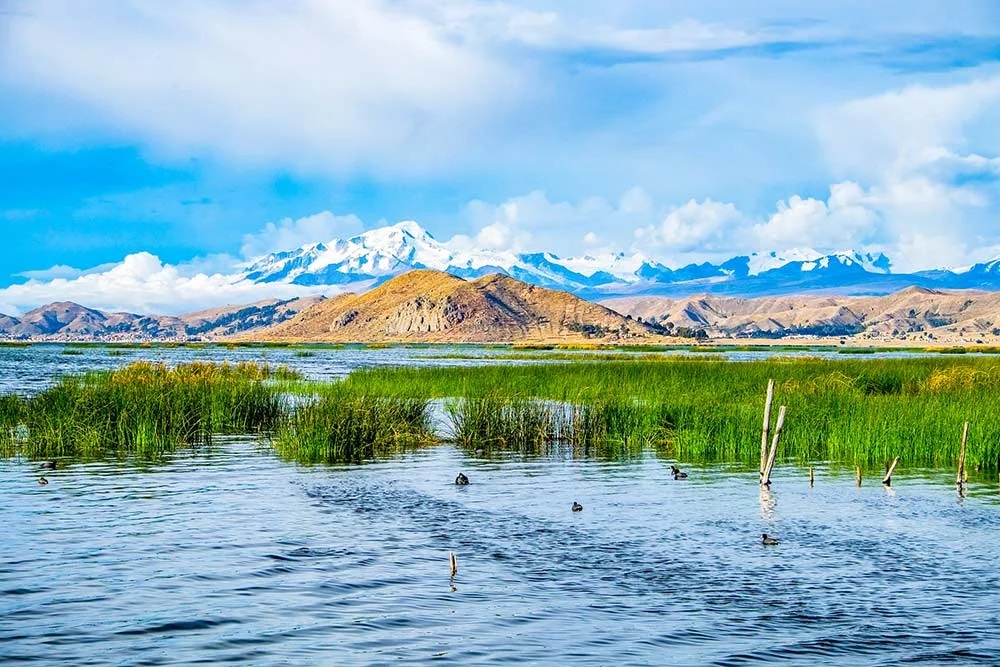
Lake Titicaca

Threats

  • Eutrophication from livestock runoff
  • Heavy metal pollution from mining
  • Depleted water level from overuse
  • Untreated sewage contamination
  • Droughts due to climate change

In Bolivia

  • Continuously occupied since 10,000 BC
  • First occupied by the Tiwanaku whose civilization’s ruins are being discovered under the surface of the lake
  • Climate change-fueled drought causing historic low volume

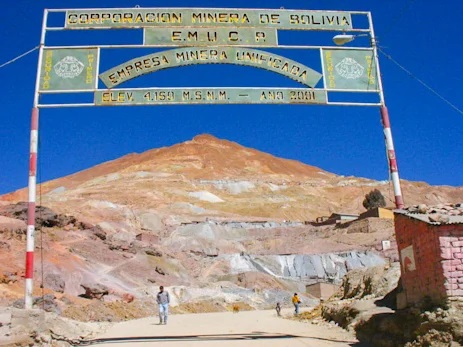
Cerro Rico

Threats

  • Inadequate historic preservation
  • Possible structural collapse of mine
  • Environmental impacts of hydraulic systems

In Bolivia

  • Is in danger of complete collapse
  • Once supplied 80% of the world’s silver
  • There are currently about 15,000 active miners
  • Nicknamed “The Mountain that Eats Men”
  • The life expectancy of miners is about 40 years
  • It is thought that as many as 8 million miners have been killed in the mines of the Potosi area.

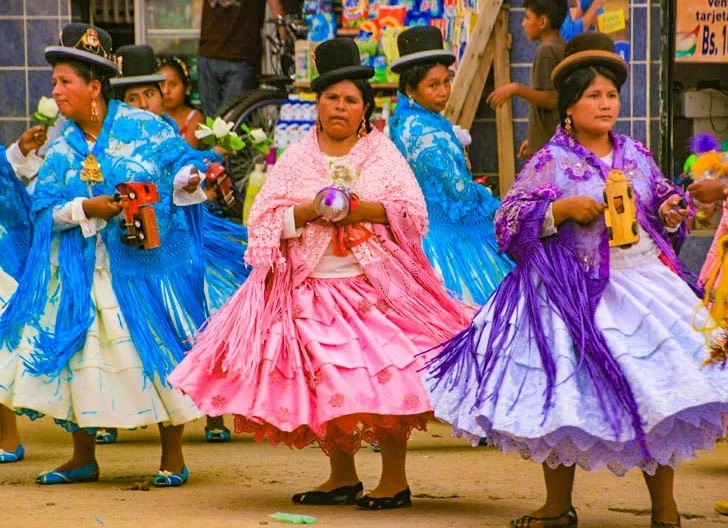
Indigenous peoples

Threats

  • Oil, gas, and hydroelectric projects
  • Anti-indigenous sentiments
  • Large-scale indigenous emigration

In Bolivia

  • There are 36 recognized peoples in Bolivia
  • Over 40% of Bolivia’s population is considered indigenous
  • 20% of Bolivia’s land has been converted to community land

Madidi National Park

Threats

  • Land conversion to agricultural use
  • Gold mining
  • Illegal logging
  • Potential construction of a major road, mega dams and a bridge
  • Poaching

In Bolivia

  • Community run ecotourism lodges and guiding companies are helping to provide jobs and increase local support for protection
  • 14% of world’s bird species
  • Home to 46 indigenous communities

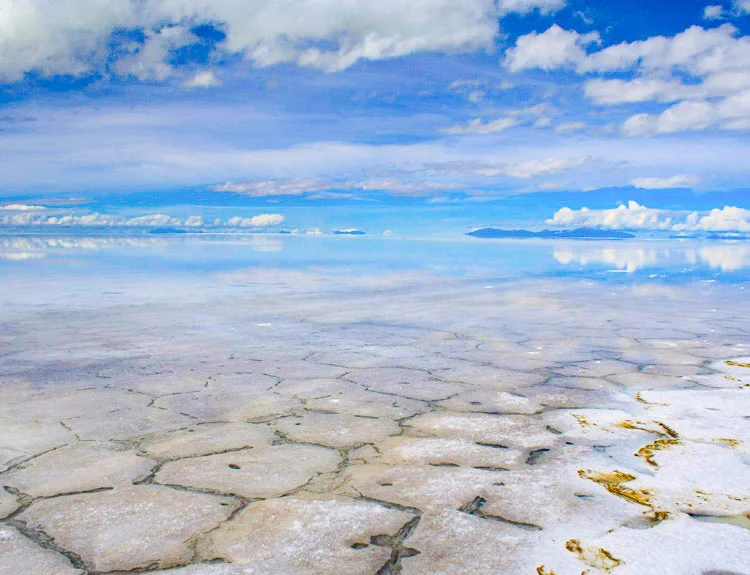
Salar de Uyuni

Threats

  • Inadequate historic preservation
  • Possible structural collapse of mine
  • Environmental impacts of hydraulic systems

In Bolivia

  • Is in danger of complete collapse
  • Once supplied 80% of the world’s silver
  • There are currently about 15,000 active miners
  • Nicknamed “The Mountain that Eats Men”
  • The life expectancy of miners is about 40 years
  • It is thought that as many as 8 million miners have been killed in the mines of the Potosi area.

UNESCO Sites

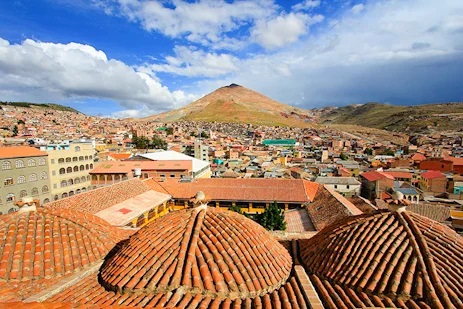
City of Potosí

In the 16th century, this area was regarded as the world’s largest industrial complex.  The extraction of silver ore relied on a series of hydraulic mills.  The site consists of the industrial monuments of the Cerro Rico, where water is provided by an intricate system of aqueducts and artificial lakes; the colonial town with the Casa de la Moneda; the Church of San Lorenzo; several patrician houses; and the barrios mitayos, the areas where the workers lived. Read More

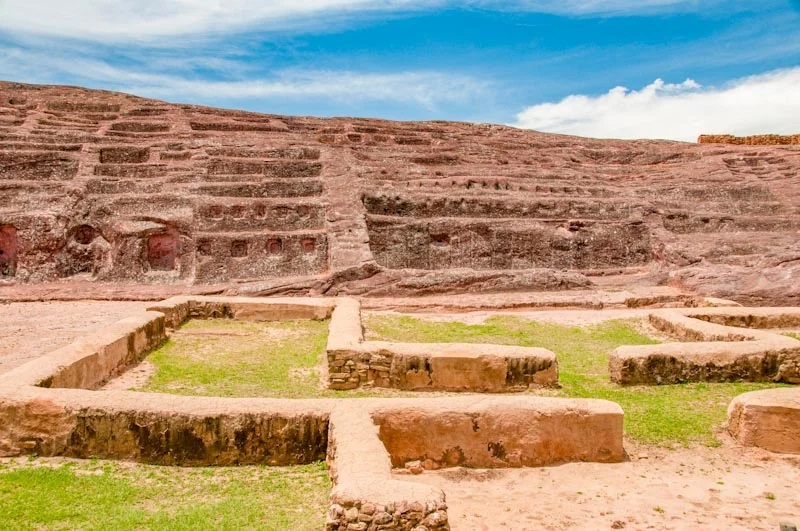
Fort Samaipata

The archaeological site of Samaipata consists of two parts:  the hill with its many carvings, believed to have been the ceremonial centre of the old town (14th–16th centuries), and the area to the south of the hill, which formed the administrative and residential district.  The huge sculptured rock, dominating the town below, is a unique testimony to pre-Hispanic traditions and beliefs, and has no parallel anywhere in the Americas. Read More

Available in

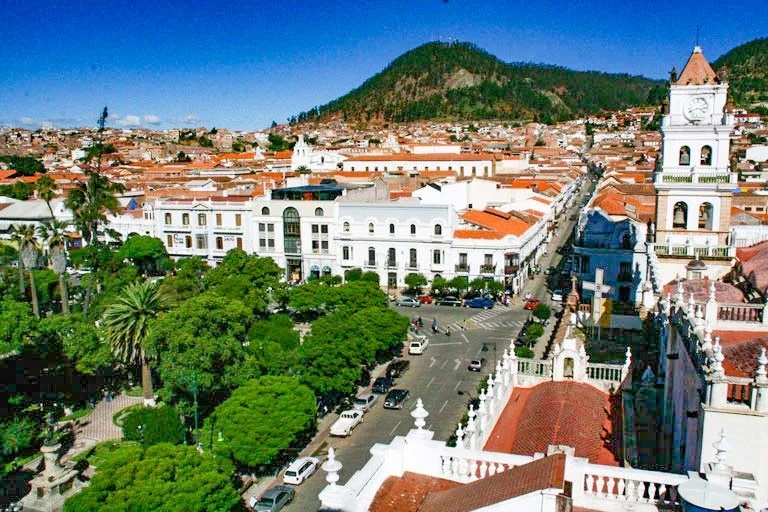
Historic City of Sucre

Sucre, the first capital of Bolivia, was founded by the Spanish in the first half of the 16th century. Its many well-preserved 16th-century religious buildings, such as San Lázaro, San Francisco and Santo Domingo, illustrate the blending of local architectural traditions with styles imported from Europe. Read More

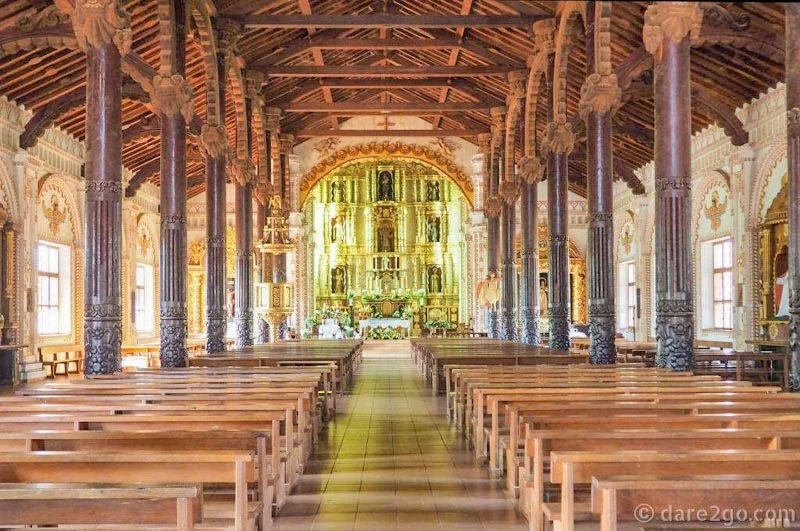
Jesuit Missions of the Chiquitos

Between 1696 and 1760, six ensembles of reducciones (settlements of Christianized Indians) inspired by the ‘ideal cities’ of the 16th-century philosophers were founded by the Jesuits in a style that married Catholic architecture with local traditions. The six that remain – San Francisco Javier, Concepción, Santa Ana, San Miguel, San Rafael and San José – make up a living heritage on the former territory of the Chiquitos. Read More

Available in

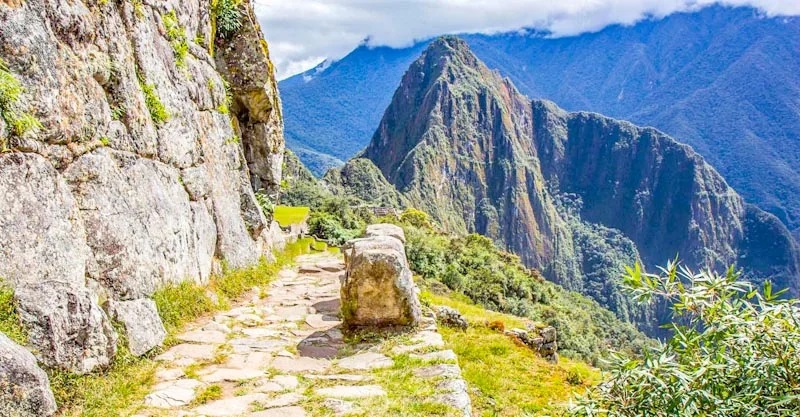
Qhapaq Ñan, Andean Road System

This site is an extensive Inca communication, trade and defence network of roads covering 30,000 km.  Constructed by the Incas over several centuries and partly based on pre-Inca infrastructure, this extraordinary network through one of the world’s most extreme geographical terrains linked the snow-capped peaks of the Andes – at an altitude of more than 6,000 m – to the coast, running through hot rainforests, fertile valleys and absolute deserts.  It reached its maximum expansion in the 15th century, when it spread across the length and breadth of the Andes.  Read More

Available in

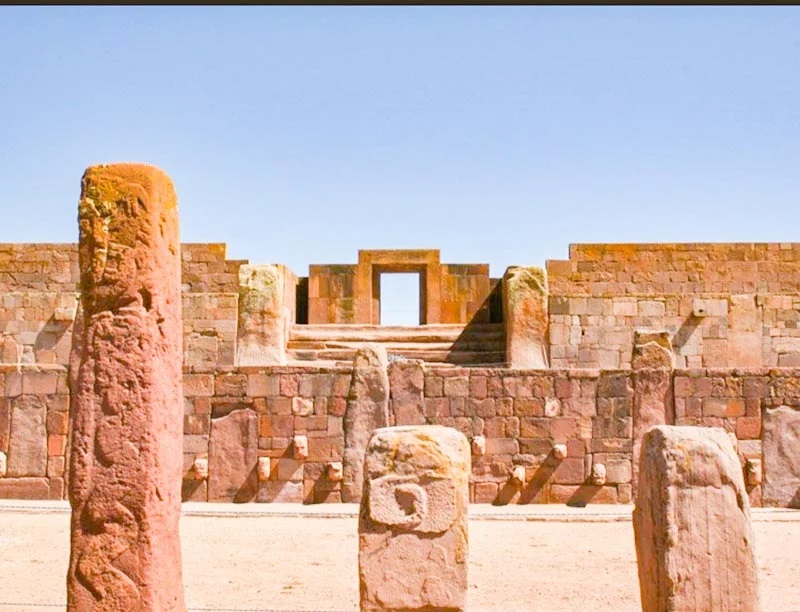
Tiwanaku

The city of Tiwanaku, capital of a powerful pre-Hispanic empire that dominated a large area of the southern Andes and beyond, reached its apogee between 500 and 900 AD.  Its monumental remains testify to the cultural and political significance of this civilisation, which is distinct from any of the other pre-Hispanic empires of the Americas.  Read More

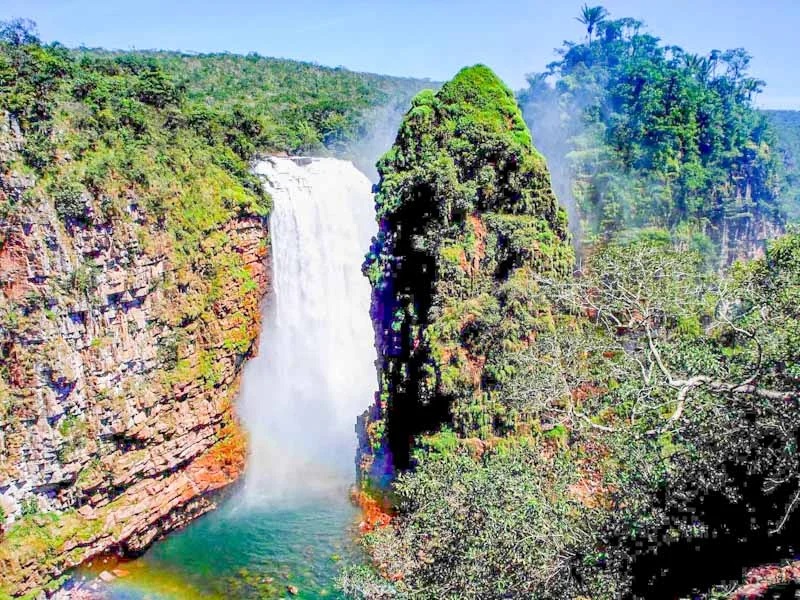
Noel Kempff Mercado National Park

The National Park is one of the largest (1,523,000 ha) and most intact parks in the Amazon Basin.  With an altitudinal range of 200 m to nearly 1,000 m, it is the site of a rich mosaic of habitat types from Cerrado savannah and forest to upland evergreen Amazonian forests.  The park boasts an evolutionary history dating back over a billion years to the Precambrian period.  An estimated 4,000 species of flora as well as over 600 bird species and viable populations of many globally endangered or threatened vertebrate species live in the park.  Read More

UNESCO Sites

Fully Designated Sites

City of Potosí

In the 16th century, this area was regarded as the world’s largest industrial complex.  The extraction of silver ore relied on a series of hydraulic mills.  The site consists of the industrial monuments of the Cerro Rico, where water is provided by an intricate system of aqueducts and artificial lakes; the colonial town with the Casa de la Moneda; the Church of San Lorenzo; several patrician houses; and the barrios mitayos, the areas where the workers lived. Read More

Fort Samaipata

The archaeological site of Samaipata consists of two parts:  the hill with its many carvings, believed to have been the ceremonial centre of the old town (14th–16th centuries), and the area to the south of the hill, which formed the administrative and residential district.  The huge sculptured rock, dominating the town below, is a unique testimony to pre-Hispanic traditions and beliefs, and has no parallel anywhere in the Americas. Read More

Available in

Historic City of Sucre

Sucre, the first capital of Bolivia, was founded by the Spanish in the first half of the 16th century. Its many well-preserved 16th-century religious buildings, such as San Lázaro, San Francisco and Santo Domingo, illustrate the blending of local architectural traditions with styles imported from Europe. Read More
Jesuit Missions of the Chiquitos

Between 1696 and 1760, six ensembles of reducciones (settlements of Christianized Indians) inspired by the ‘ideal cities’ of the 16th-century philosophers were founded by the Jesuits in a style that married Catholic architecture with local traditions. The six that remain – San Francisco Javier, Concepción, Santa Ana, San Miguel, San Rafael and San José – make up a living heritage on the former territory of the Chiquitos. Read More
Available in

Qhapaq Ñan, Andean Road System

This site is an extensive Inca communication, trade and defence network of roads covering 30,000 km.  Constructed by the Incas over several centuries and partly based on pre-Inca infrastructure, this extraordinary network through one of the world’s most extreme geographical terrains linked the snow-capped peaks of the Andes – at an altitude of more than 6,000 m – to the coast, running through hot rainforests, fertile valleys and absolute deserts.  It reached its maximum expansion in the 15th century, when it spread across the length and breadth of the Andes.  Read More
Available in

Tiwanaku

The city of Tiwanaku, capital of a powerful pre-Hispanic empire that dominated a large area of the southern Andes and beyond, reached its apogee between 500 and 900 AD.  Its monumental remains testify to the cultural and political significance of this civilisation, which is distinct from any of the other pre-Hispanic empires of the Americas.  Read More

Noel Kempff Mercado National Park

The National Park is one of the largest (1,523,000 ha) and most intact parks in the Amazon Basin.  With an altitudinal range of 200 m to nearly 1,000 m, it is the site of a rich mosaic of habitat types from Cerrado savannah and forest to upland evergreen Amazonian forests.  The park boasts an evolutionary history dating back over a billion years to the Precambrian period.  An estimated 4,000 species of flora as well as over 600 bird species and viable populations of many globally endangered or threatened vertebrate species live in the park.  Read More
Tentative Sites

Name Type Location Date Link
Sajama National Park Mixed Oruro 2003 UNESCO Website
Pulacayo, Industrial Heritage Site Cultural Potosí 2003 UNESCO Website
Incallajta, the largest Inca site in the Kollasuyo Cultural Cochabamba 2003 UNESCO Website
Cal Orck'o: Footprints of time Natural Sucre 2003 UNESCO Website
Sacred Titicaca Lake Mixed La Paz 2003 UNESCO Website