After enjoying a satisfying breakfast, kick off your day with a quick visit to the regional museum, where you’ll delve into the rich tapestry of local cultures and explore fascinating artifacts from ancient site excavations.
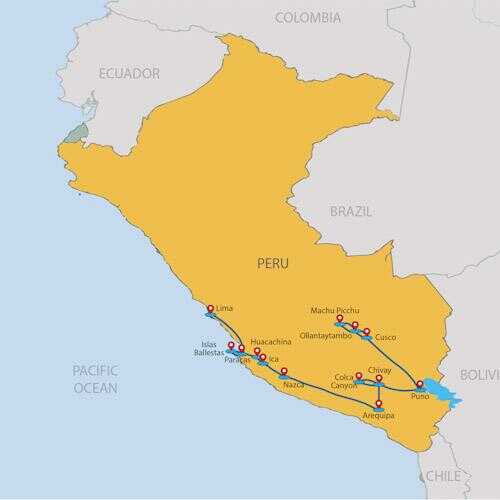
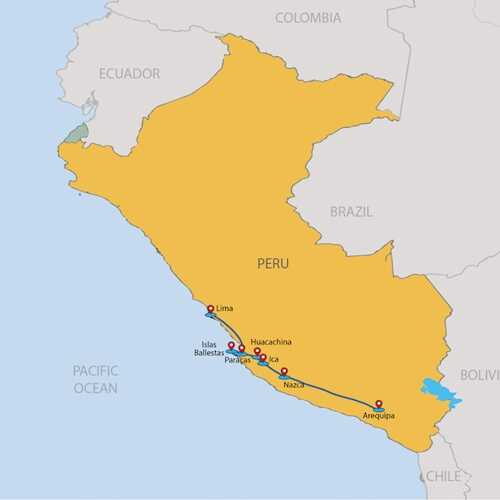
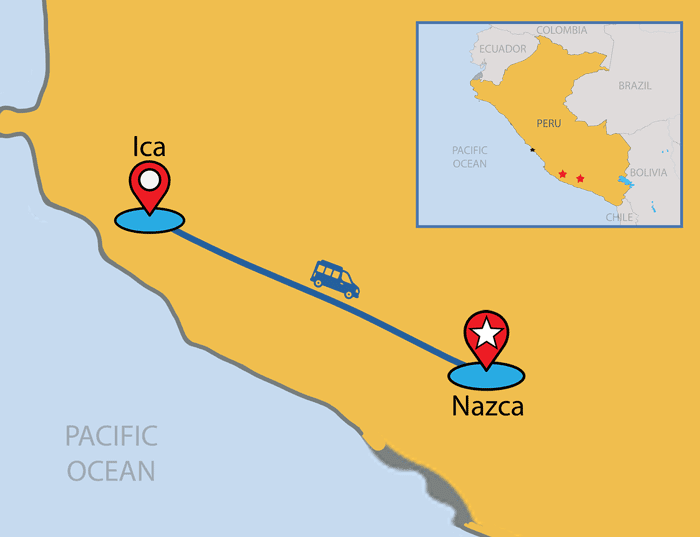
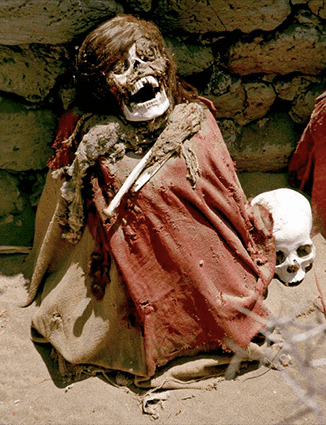
Next, hop into a tour van for a scenic ride to Nazca, where you’ll check in to your hotel before heading out of town for a compelling tour of the Chauchilla Cemetery. Here, you’ll have the unique opportunity to witness the mummified remains of ancient peoples, providing a poignant glimpse into the past. A delicious to-go lunch will be provided, allowing you to enjoy a meal amidst the historical surroundings.
Upon returning to Nazca, consider visiting the Antonini Archaeological Museum. This museum features an extensive collection of artifacts and exhibits that highlight the significance of the Nazca culture, offering deeper insight into this intriguing civilization.
Your day will be filled with history and exploration, making it a memorable experience as you uncover the mysteries of the Nazca region!
Accomodations
Hotel
Included Meals
Breakfast
Lunch
Dinner
Activities
Optional Activities
AM
Breakfast
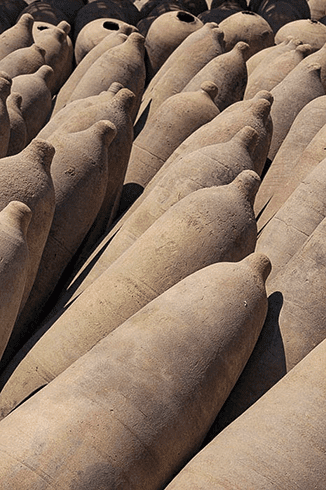
Visit Adolfo Bermúdez Jenkins Regional Museum
Scenic drive to Nazca
Check-in to hotel and lunch on your own
Tour of Chauchilla Cemetery
PM
Back to hotel and optional visit of Antonini Archaeological Museum
Chauchilla Cemetery is located about 20 miles out of Nazca and contains excavated graves showing pre-hispanic mummified remains dating back to the Nazca culture of 200AD. The bodies are well preserved due to the burial process involving resins, mud brick tombs, and dry air.
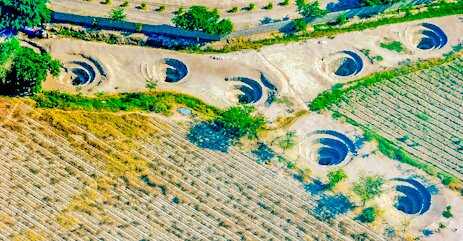
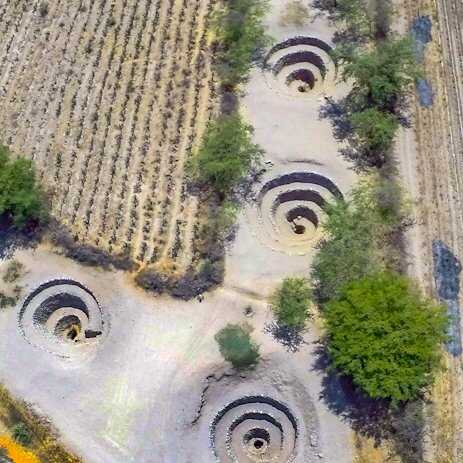
Nazca Antonini Museum is a great place to learn more about the history of the Nazca people to better understand the Chauchilla Cemetery, the aqueducts and the Nazca Lines, all under one roof and conveniently located in town.
Early Peruvian cultures: The oldest archaeological remains in Peru date back to the Stone age (about 11,000 BC). People began to gather into agrarian tribes around 7600 BC.
The oldest civilization to be discovered in S. America is in Peru and dates back to the time of the ancient Egyptians (about 3,000 BC) – the Caral Civilization. Later, the Chavin Culture extended from Moche people in the north to the Nazca in the south and are known for their hydraulic engineering including elaborate aqueduct systems. The Tiahuanaco (or Tiwanaku) Culture developed at the same time as the Chavin and extended into present-day Bolivia, Chile, and Argentina. They later became the Wari, a group of lordships that included the Inca whom became dominant by assimilating other lordships and eventually became an empire which expanded north into present-day Colombia. The Inca made Cusco their capital and created magnificent structures including Machu Picchu.